From Ypenburg Library to the Peace Palace Library
- Surprising encounters
- February 21, 2025
- 7 min read
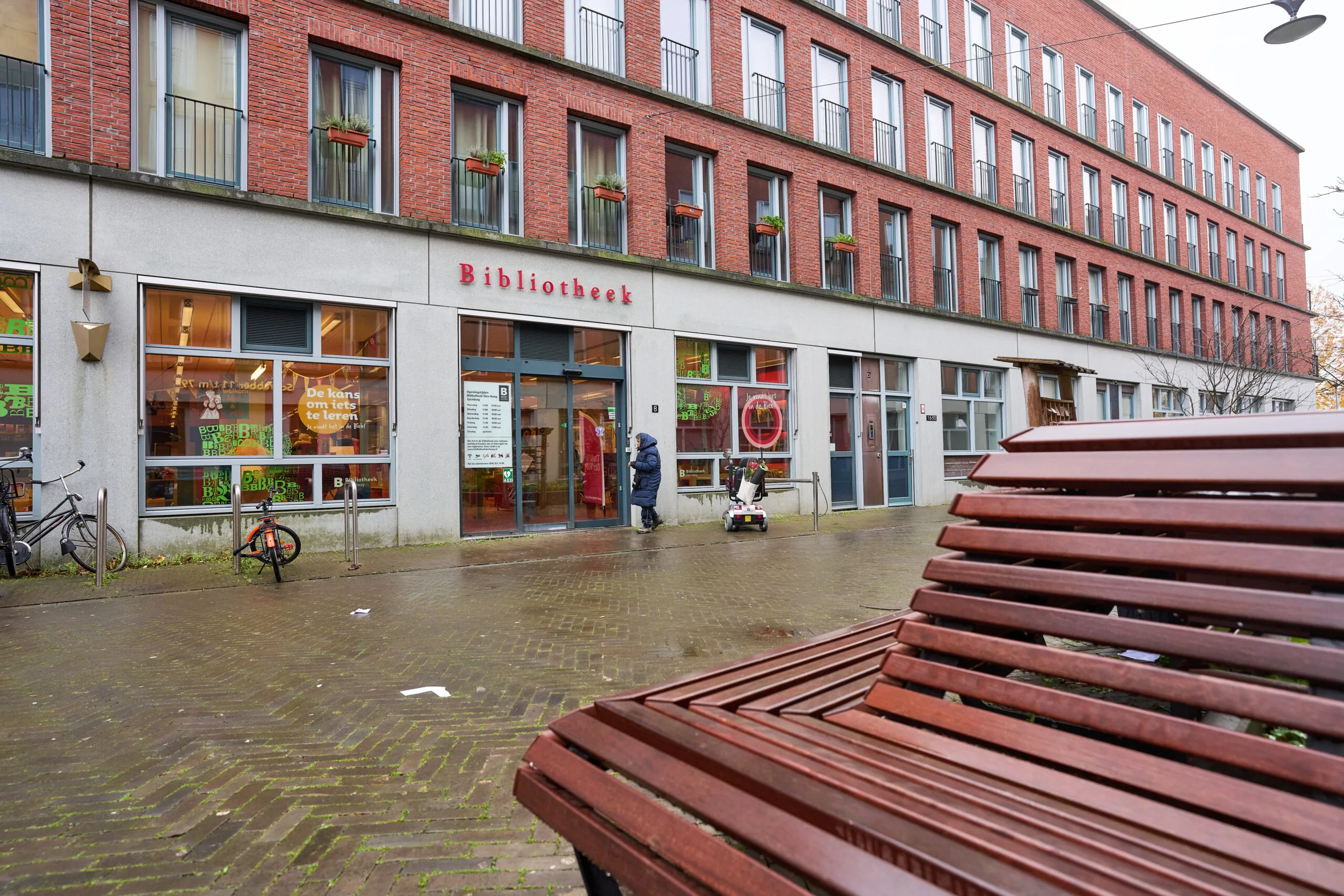
In the middle of the neighbourhood, near the shopping centre, you will find the Ypenburg Library and Cultural Anchor. Sabine has been working in this cosy library where there is always something going on for just over a year now. 'It really is a kind of living room for the neighbourhood,' says Sabine. 'People come together here, read and learn here and take part in our activities. You don't just come to us for a book; we are a cultural anchor and organise all kinds of activities for the neighbourhood. Think of writers' evenings, music and theatre performances, craft afternoons and treasure hunts for children, language lessons and special happenings such as a peace dinner for 80 people. It is free and everyone is welcome, whether you are a member of the library or not.'
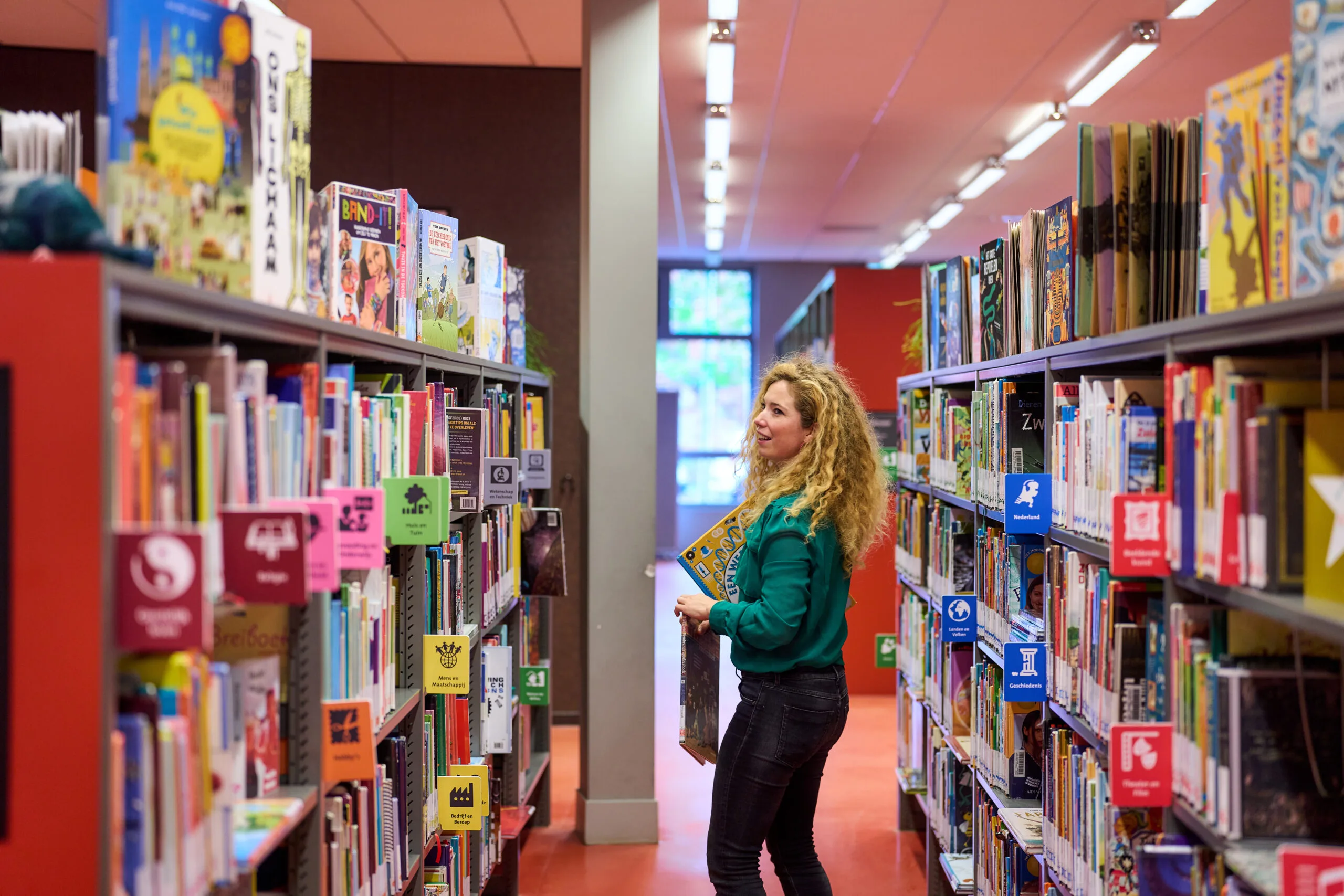
That is also what appeals to Sabine in her job at this library. 'The combination of librarianship and the cultural aspects of the position make me think my work and workplace are the ultimate. I am responsible for managing the branch and budgets, but I also organize cultural and educational activities and maintain contact with writers. Sometimes I also work behind the counter. So I am not only found between the books, it is really a bit of everything!'
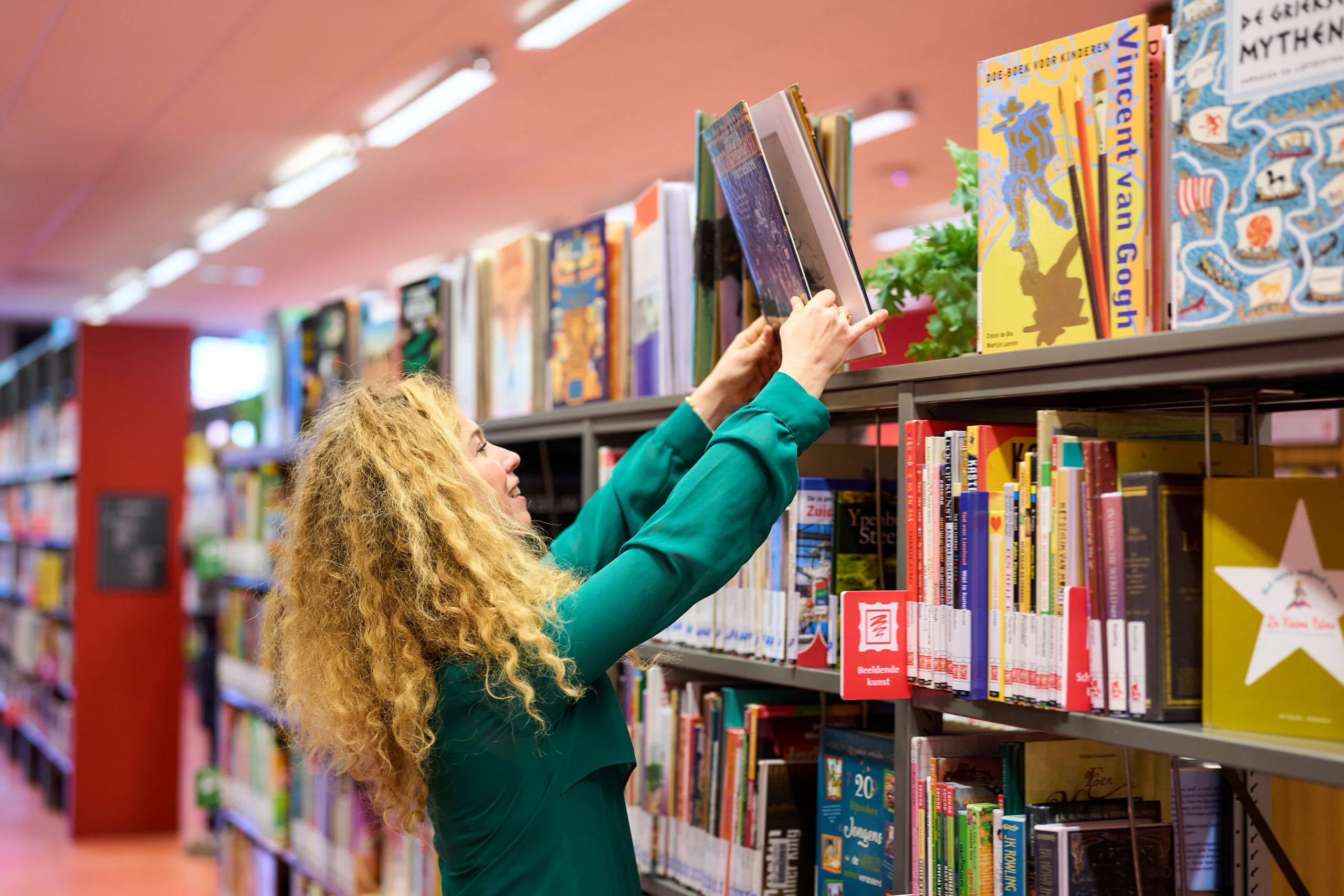
As a librarian, Sabine wants to contribute to the promotion of reading. 'I think it is important to help people develop reading and writing skills. I also look closely at what the needs are among the residents of Ypenburg. For example, I try to expand the book collection with English, French and Spanish books, because there are many expats living in the neighbourhood. What we are struggling with is the influence of digital devices, such as telephones and computers. Many young people are less interested in books, because they spend so much time on their telephone. This makes it more difficult to stimulate reading promotion, which is one of the most important goals of a library. We therefore try to convince young people of the value of books, especially because we have really beautiful books here in the library that they could discover.'
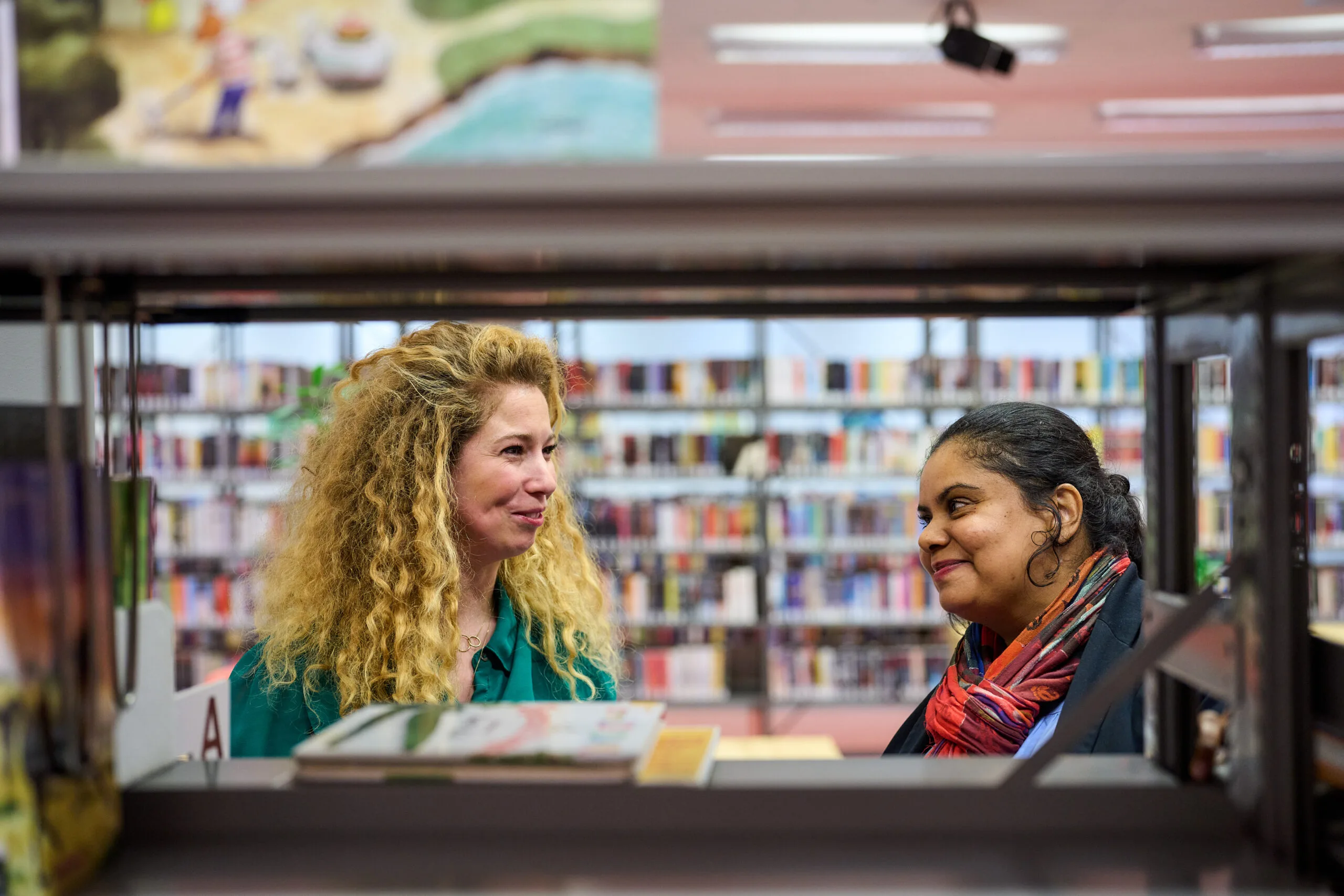
'The best thing about my work in the library? The activities we organize. I can really use my creativity in them. It's also great to see what it yields. For example, we recently had an art project for children. Not only children from the neighborhood came, but also children from other neighborhoods. They even exchanged numbers. Isn't it great that they meet each other here! Queen Maxima was also in our library recently. She came because of the project 'At home in The Hague', an initiative of Haags Verhaal. She talked to the participants about their sense of home. They then embroidered this feeling on a piece of fabric. All the embroideries are attached to a wooden house and are here in the library. Isn't that great! Also the one by Candice from the library in the Peace Palace. She made it when she came to visit me in our library in Ypenburg.'
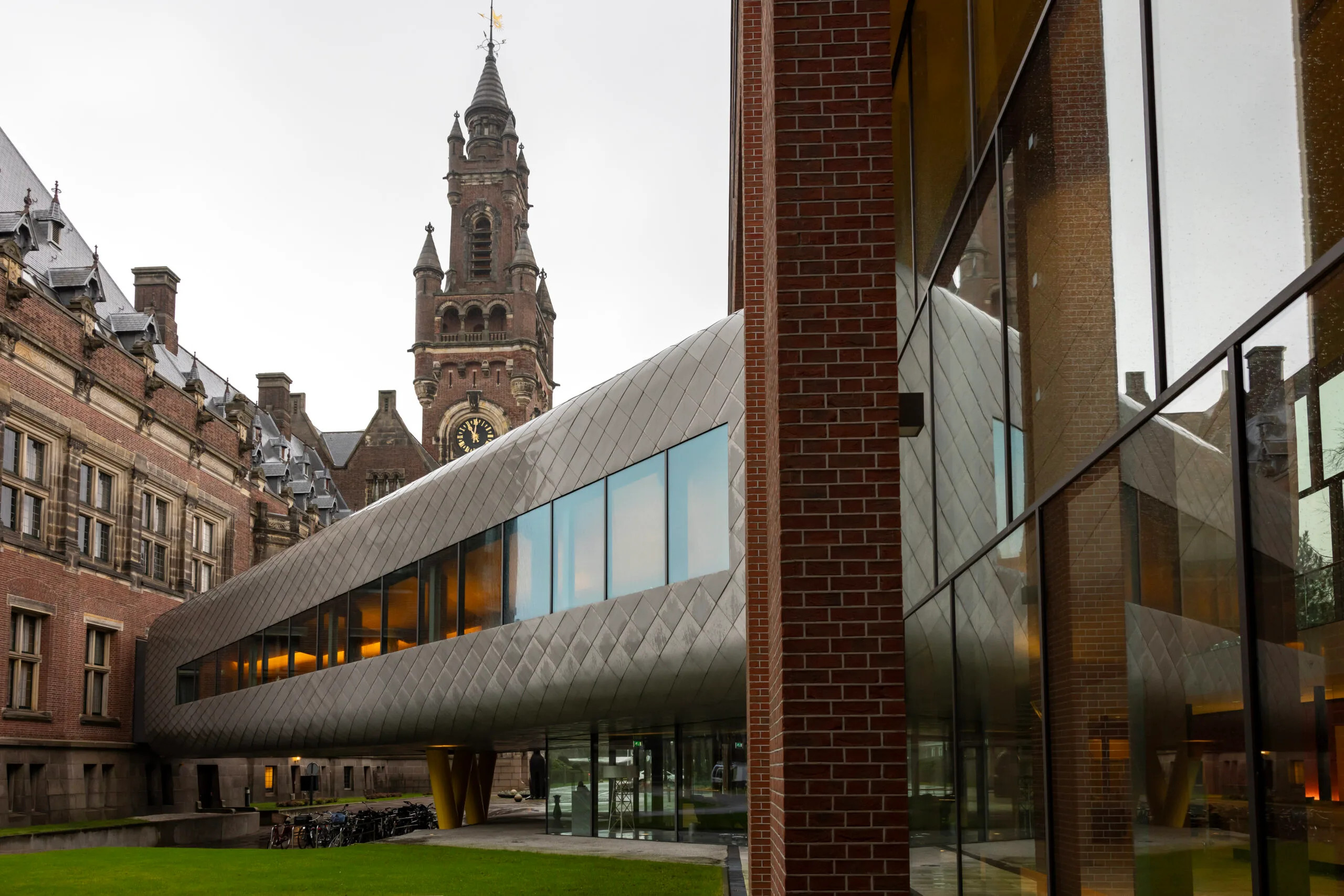
Who doesn't know the beautiful Peace Palace? In the middle of the Zeeheldenkwartier you will find the palace, which is over a hundred years old and is the seat of the Permanent Court of Arbitration, the International Court of Justice of the United Nations, The Hague Academy of International Law and the Carnegie Foundation. But did you know that it also houses a library?
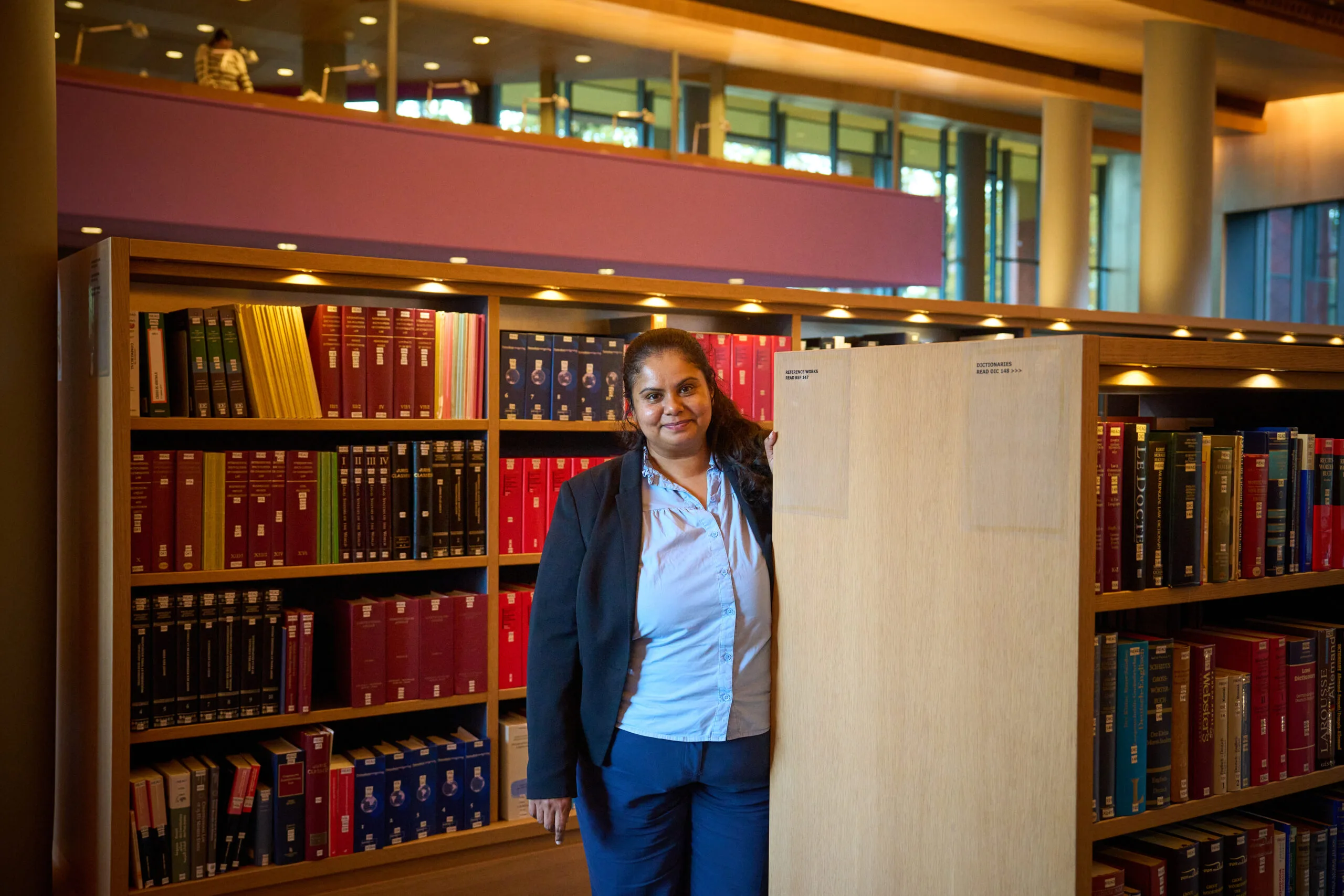
Candice has been working there for 15 years and is proud to be working at the library of the beating heart of international law: the Peace Palace. After her studies in International Law, Candice worked briefly in consumer law, but when she saw the vacancy for the position of legal assistant at the library, she did not hesitate for a moment. 'This is where it happens, this is where you want to work if you have studied international law. I have now progressed to the position of senior research assistant. In my work, I ensure that all kinds of legal information is accessible to international courts and tribunals, such as those in the Peace Palace in The Hague and the International Criminal Court. It is also our task for other institutions in The Hague, such as the Supreme Court and the Ministry of Foreign Affairs, to provide these institutions with the information they need'
The library has a special collection, which was created with the help of the American philanthropist Andrew Carnegie, who financed the Peace Palace. Candice: 'The idea was that the Peace Palace would become a meeting place for lawyers from different countries, where they could get to know and study each other's legal cultures. This vision is still the basis of our collection: we collect information not only about international law, but also about the national legal systems of different countries. This makes it possible to compare legal systems, which is essential for research in international law.'
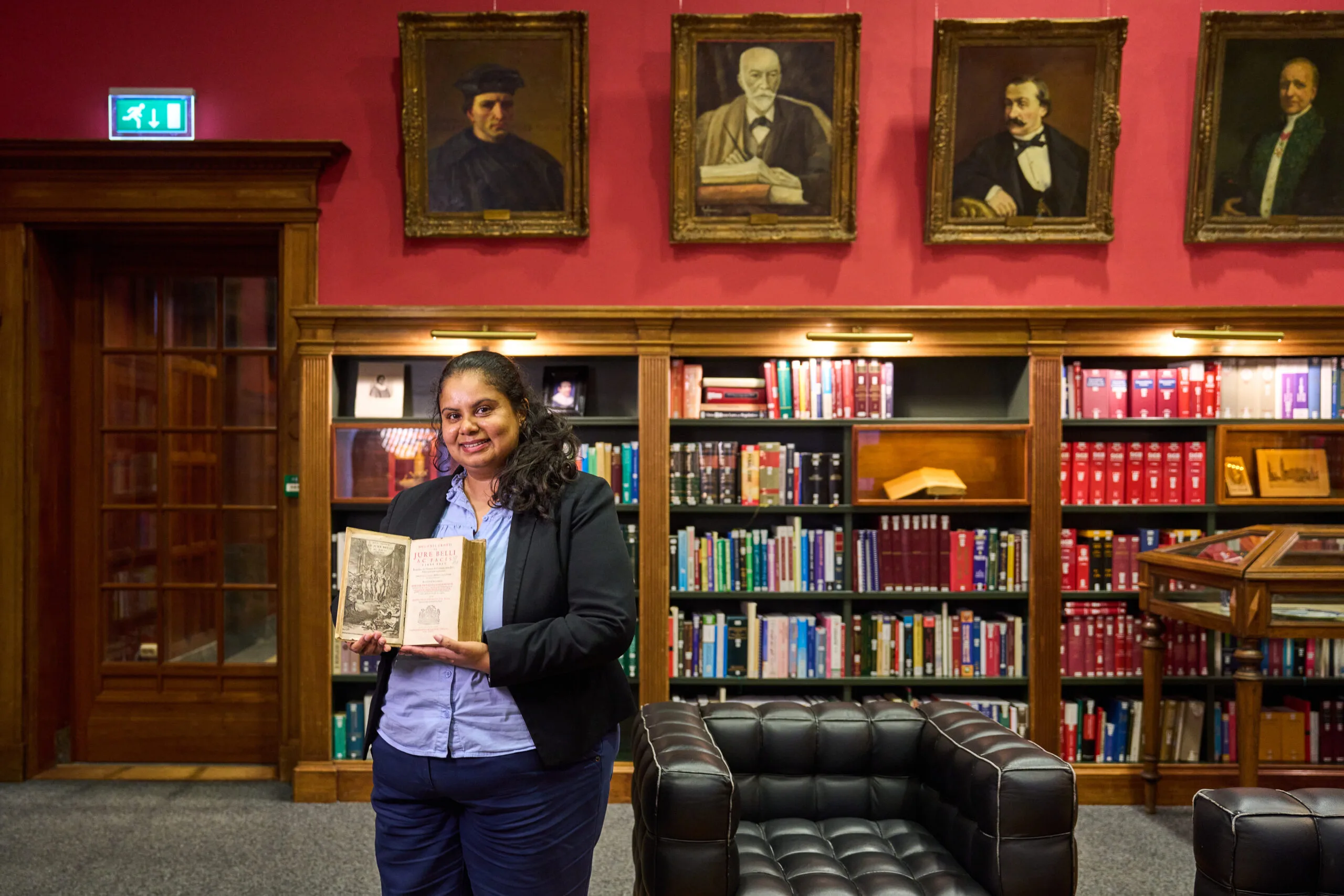
The library has a number of books that really stand out. 'The Grotius collection is very impressive. Hugo de Groot is also called 'the father of international law'. His most important works are 'Mare Liberum' on maritime law, and 'De iure belli ac pacis' on the law of war and peace. Our library has a Grotius collection, with original prints of the works of Hugo de Groot.'
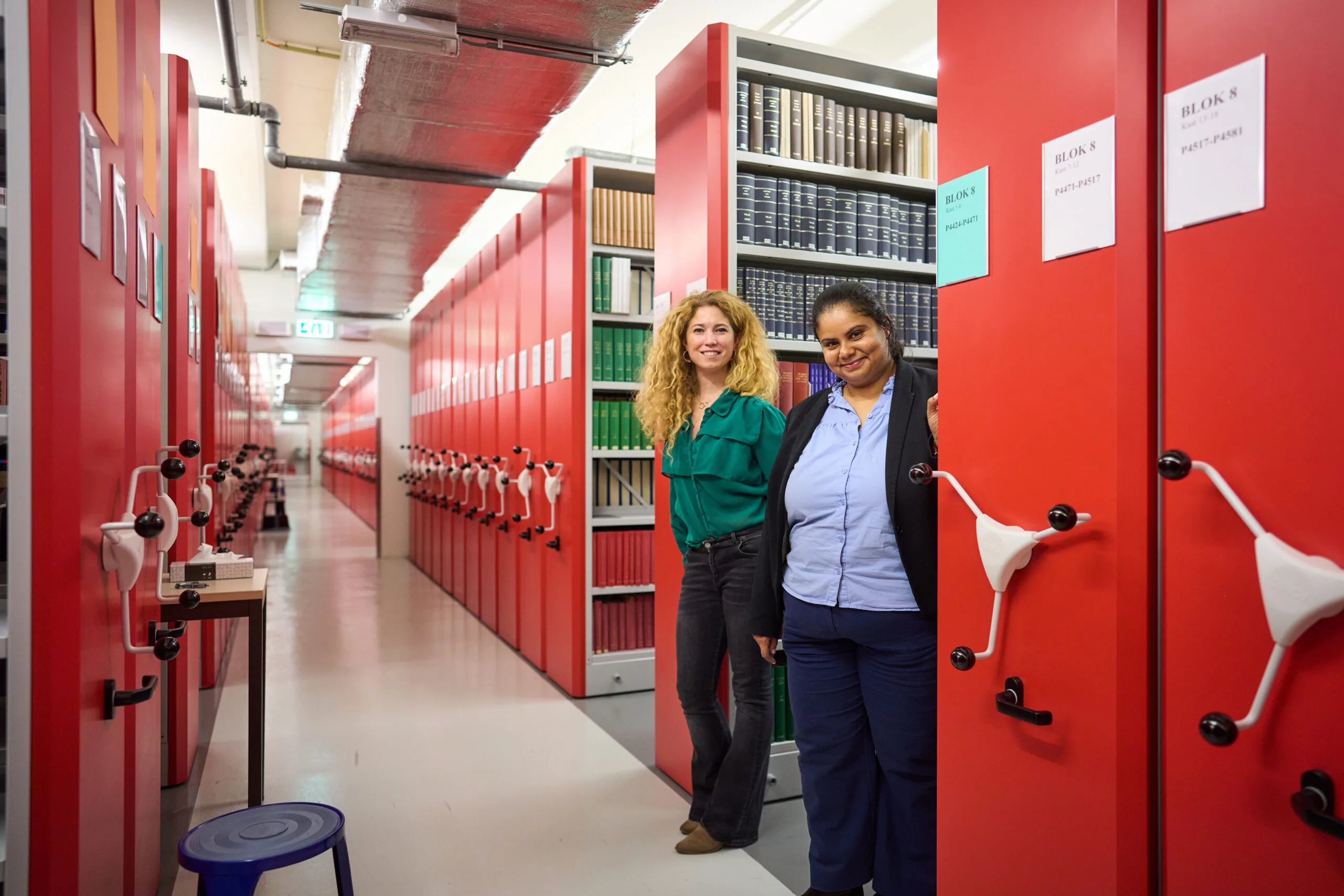
The library has a whopping 1 million books in its collection. In the photo you see Candice and Sabine who took a look in the warehouse where the books are stored.
'Our collection contains not only books on international law, but also on the context in which this law functions. Think of books on history, philosophy, international relations and politics. For example, legal theory is often linked to broader world events. This can be seen, for example, in the literature on the two world wars, which influenced important decisions on war crimes and the establishment of the International Criminal Court.
Working in the Peace Palace Library is special because of the unique environment. The Peace Palace is of course very special, but it is especially the idea that you are working in the centre of international law that makes the work so special. Every year, 600 to 700 students come to The Hague, and the library plays an important role in their research and study. It is a modest but valuable contribution to the promotion of peace and justice.'